Chemisorption Analyzer Coupled with ANYIPU Small-Molecule Mass Spectrometry: TPD-MS Online Analysis for In-Depth Catalyst Mechanism Research
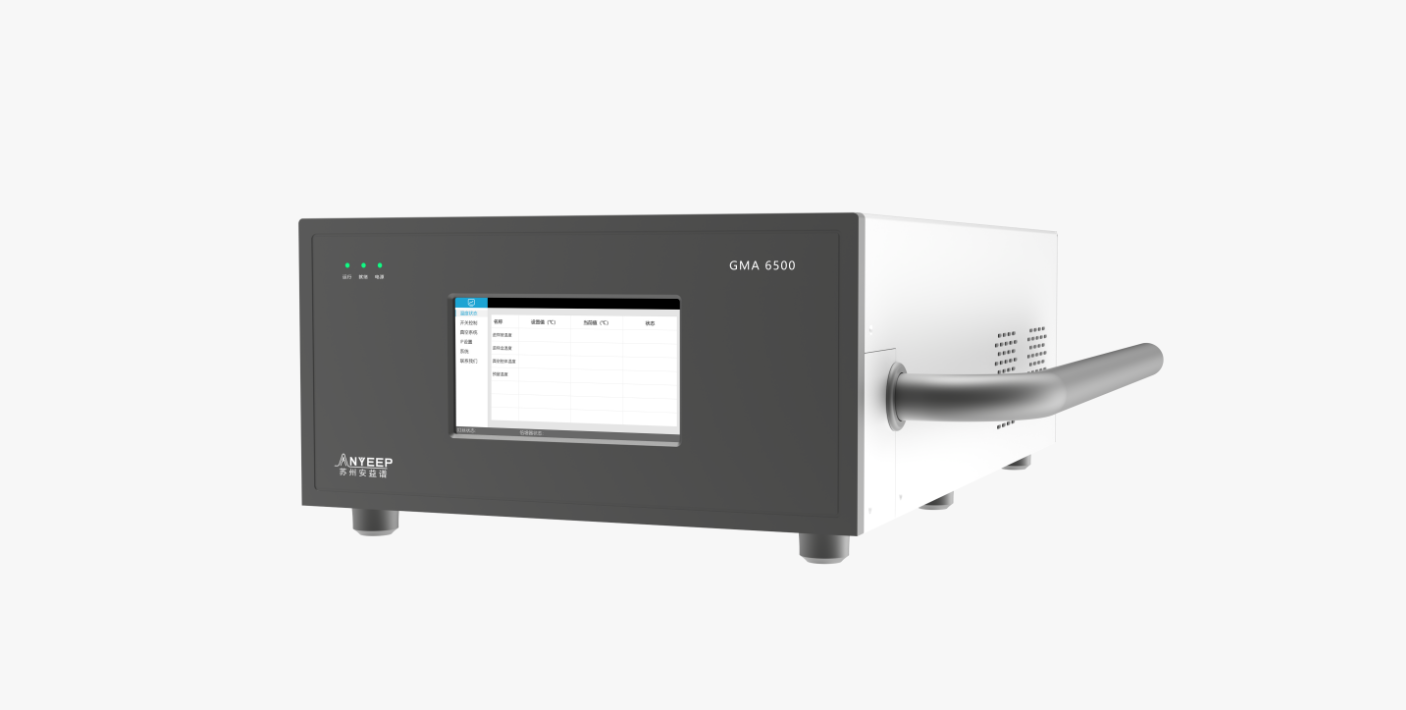
In the field of multiphase catalysis, chemisorption analyzers are the standard instruments for characterizing catalyst surface acidity, active sites, and adsorption/desorption behavior. Traditional chemisorption analyzers rely on TCD thermal conductivity detectors to collect signals, which only reflect total gas quantity changes. They cannot distinguish mixed gas components or identify intermediates and byproducts generated during temperature ramping, severely limiting the depth of catalytic reaction mechanism analysis. By integrating a chemisorption analyzer with an AMS small-molecule mass spectrometer to create a TPD-MS (Temperature Programmed Desorption-Mass Spectrometry) online coupled system, we establish a new dynamic online analysis solution. This approach connects the complete data chain of "temperature-product type-product concentration" for surface processes on catalysts, providing critical characterization capabilities for the development of novel catalytic materials.
Mechanism of Combination Therapy
The chemisorption instrument precisely controls heating programs to perform TPD, TPR, TPO, TPSR, and pulse adsorption experiments. As temperature rises, surface-adsorbed species undergo desorption, cracking, or redox reactions. Gaseous products generated during the reaction are transmitted in real time via a heated transfer line to an Amsys small-molecule mass spectrometer.
Mass spectrometry performs continuous online monitoring of the effluent gas, simultaneously acquiring characteristic ion signals for various products to enableSimultaneous qualitative and quantitative tracking of multiple gaseous productsComprehensively record the trend of product yield at different temperatures and intuitively present the dynamic reaction process on the catalyst surface.
Core Technical Value
Break through TCD limitations to achieve precise product identification.
TCD can only detect total gas concentration changes and cannot distinguish between multiple gases such as CO, CO₂, NH₃, and hydrocarbons. AnYiPu's small-molecule mass spectrometer leverages characteristic ion identification to directly determine every desorption/reaction product during temperature ramping, effectively distinguishing target products from byproducts and resolving reaction intermediates.
Track dynamic trends to reconstruct the entire surface reaction process.
The system synchronizes the temperature ramp program with mass spectrometry data acquisition to generate product signal intensity curves as a function of temperature. By analyzing the onset temperature, peak temperature, and signal range of each product, we determine adsorption bond strength, reaction initiation temperature, and conversion ranges, enabling inference of different active site types on the catalyst surface.
Analyze reaction pathways to enable targeted catalyst optimization
By comparing TPD-MS spectra of catalysts prepared with different formulations and processes, analyze differences in product types, yields, and conversion patterns. Clarify the mechanisms of active sites, reaction intermediates, and conditions for side reactions to precisely guide catalyst composition tuning, support modification, and process optimization.
Flexible integration with mainstream chemical adsorption equipment and highly scalable
The integrated system offers excellent compatibility with leading commercial chemical adsorption instruments. Equipped with a temperature-controlled transfer line, it prevents condensation and loss of small-molecule products. With fast mass spectrometry response and low detection limits, it meets the demands for detecting trace intermediates and sub-ppm desorbed species.
Typical Use Cases
New Energy Catalysis
CO₂ hydrogenation catalysis, propane dehydrogenation, and fuel cell electrocatalytic materials; research on reactant adsorption and activation, coke formation, and catalyst deactivation mechanisms.
Environmental Catalysis
NOx catalysts and VOCs catalytic oxidation materials: Analyze the relationship between surface acidic sites, active oxygen species, and reactivity using NH₃-TPD, O₂-TPD, and TPSR experiments.
Molecular Sieves and Fine Chemical Catalysis
Solid acid catalysts and shape-selective catalytic materials; characterize acid site types and strengths; track intermediate products during reactant cracking and isomerization.
University Research and Enterprise R&D Platform
Supports fundamental catalytic mechanism research, catalyst formulation screening, and new process development by providing reliable experimental data for theoretical paper validation and new product R&D.