Method for Determining Chlorate and Perchlorate Content in Milk Powder Using Anyeep TQ9100
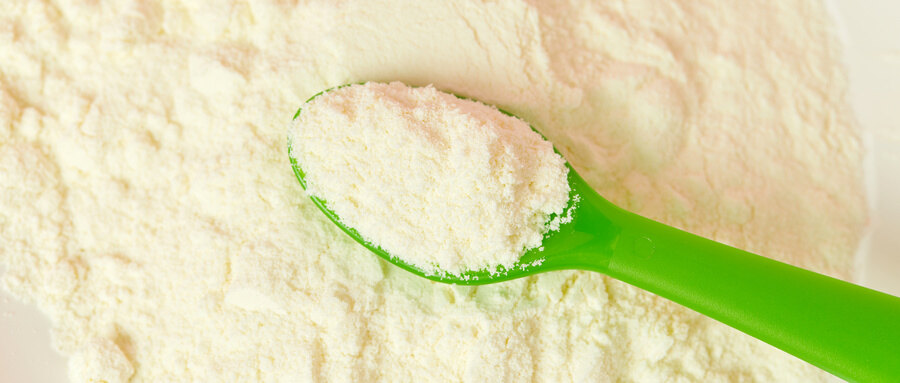
This study utilized the Anyeep TQ9100 triple quadrupole mass spectrometer from Anyiipu Company to establish a method for detecting chlorate and perchlorate in milk powder. The method demonstrates excellent linearity, with detection limits and quantification limits meeting relevant standard requirements. Using this method and equipment enables the detection and quantification of chlorate and perchlorate in milk powder.
Chlorates and perchlorates are persistent pollutants. Chlorates affect the blood and thyroid systems, while perchlorates interfere with the synthesis and secretion of thyroid hormones, disrupting normal metabolism and hindering growth and development. Children in their developmental stages are particularly vulnerable; excessive perchlorate exposure in infants can impair brain development and lead to intellectual disabilities. The European Food Safety Authority (EFSA) has confirmed that long-term perchlorate intake poses health risks, especially for pregnant women, embryos, and infants. Therefore, studying chlorate and perchlorate levels in infant formula is critically important.
This methodUse ion chromatography-tandem mass spectrometry to properly prepare milk powder samples and quantify chlorate and perchlorate levels via the internal standard method.。
Instruments and Reagents
Anyeep TQ120 Ultra-High Performance Liquid Chromatography-Tandem Mass SpectrometrySystem
OIC-1100 Ion Chromatograph
OEDG-100 (KOH Type)
Dionex ADRS 600 2 mm Anion Suppressor (Hebei Ourun Scientific Instrument Co., Ltd.)
Liquid Chromatography Conditions
Mobile Phase: KOH eluent
Chromatography column: OR-O-I 4×250 mm
Column Temperature:30 ℃
Flow rate: 0.4 mL/min
Injection volume:25 μL
Mass Spectrometry Conditions
Ionization Source: Electrospray Ionization Source (ESI)-)
Source Temperature: 600 ℃
Spray Voltage: 5000 V
air curtain: 26 psi
Mist gas: 30 psi
Auxiliary Gas: 90 psi
Crash: 6
Scan Mode: MRM
Sample Processing
Accurately weigh 1 g of milk powder into 4 mL of deionized water and mix thoroughly to ensure complete dissolution. Add 20 μL of internal standard solution and 3.98 mL of acetonitrile to precipitate proteins. Vortex for 2 min, then centrifuge at 4 °C with a speed of 10000 r/min for 5 min. Collect 1 mL of the supernatant, dilute it with 9 mL of deionized water, filter through a 0.22 μm nylon membrane, and reserve 5 mL of the filtrate.
Graphitized Carbon Black Solid-Phase Extraction (RP) Cartridge Activation: Rinse and activate the RP cartridge with 10 mL methanol followed by 5 mL deionized water. Pass the filtrate through the RP cartridge at a flow rate of 1 mL/min, discard the initial eluate, filter the final effluent through a 0.22 μm membrane, and proceed with instrumental analysis.
Summary
This document establishesIon Chromatography -Method for detecting chlorate and perchlorate content in milk powder using the tandem mass spectrometry system (Anyeep TQ9100). From the resultszhAs shown,This methodOffers superior sensitivity, stability, and linear range for detecting chlorate and perchlorate in infant formula powder.ofRoutine analysis and testing.