How to Select a Mass Spectrometer for Therapeutic Drug Monitoring: A Buying Guide from LC-MS Sensitivity to Sample Preparation
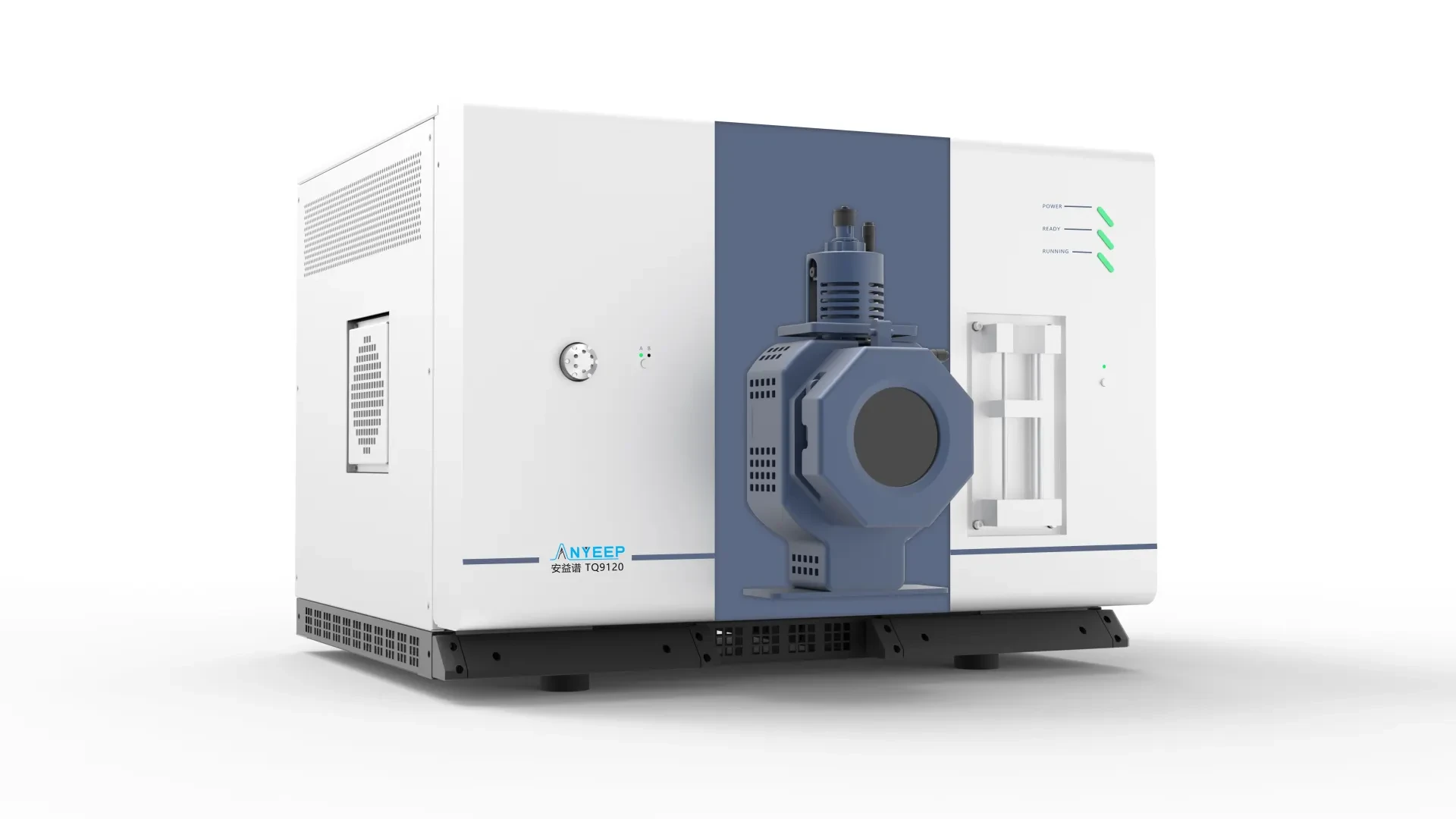
Therapeutic drug monitoring (TDM) is critical for managing narrow therapeutic index drugs, including immunosuppressants, antiepileptics, and anticancer agents. LC-MS/MS has become the method of choice in TDM laboratories due to its superior sensitivity, specificity, and capability for multi-drug analysis. This article outlines key selection criteria and validation approaches for mass spectrometers in clinical drug concentration monitoring, focusing on three areas: sensitivity and limit of detection, sample preparation compatibility, and throughput with automation.
Therapeutic Drug Monitoring (TDM) quantifies drug concentrations in patient blood to guide individualized dosing. For drugs with narrow therapeutic windows—such as immunosuppressants, antiepileptics, and anticancer agents—TDM has become a standard practice in clinical pharmacy. Liquid chromatography-tandem mass spectrometry (LC-MS/MS) is increasingly the method of choice for TDM labs due to its superior sensitivity, specificity, and ability to test multiple drugs simultaneously. Equipment selection directly impacts testing quality and operational efficiency; therefore, it must be evaluated comprehensively across analytical performance, sample preparation compatibility, and specific laboratory needs.
Sensitivity and Limit of Detection: Core Methodology Metrics
Therapeutic drug monitoring (TDM) typically covers concentration ranges from ng/mL to μg/mL. For some drugs, such as tacrolimus and sirolimus, the lower limit of the therapeutic range can be as low as 2-5 ng/mL. This requires analytical methods to have sufficient sensitivity to ensure reliable quantification at low concentrations.
LC-MS/MS sensitivity is determined by the ion transmission efficiency of the triple quadrupole mass analyzer, collision cell design, and detector performance. When evaluating instrument sensitivity, focus on signal-to-noise ratio (S/N) rather than absolute signal intensity alone. In the presence of matrix, the S/N at the target analyte peak must exceed 10:1 to meet the lower limit of quantification (LLOQ) requirements. Variations in ion source design across manufacturers can result in different practical detection capabilities for the same sample concentration on different instruments. Therefore, selection should be based on actual validation data from laboratory-developed methods (LDTs), not solely on manufacturer specifications.
Multiple Reaction Monitoring (MRM) is the most common acquisition mode in TDM. Each parent ion–daughter ion pair corresponds to a target analyte. During method development, parameters such as declustering potential and collision energy must be optimized to ensure that each drug and its internal standard have dedicated, interference-free monitoring channels. For laboratories monitoring more than 10 drugs simultaneously, the instrument's channel switching speed and dwell time settings directly impact the quality of chromatographic peak integration.
Preprocessing Workflow: Efficiency Bottlenecks from Sample to Injection
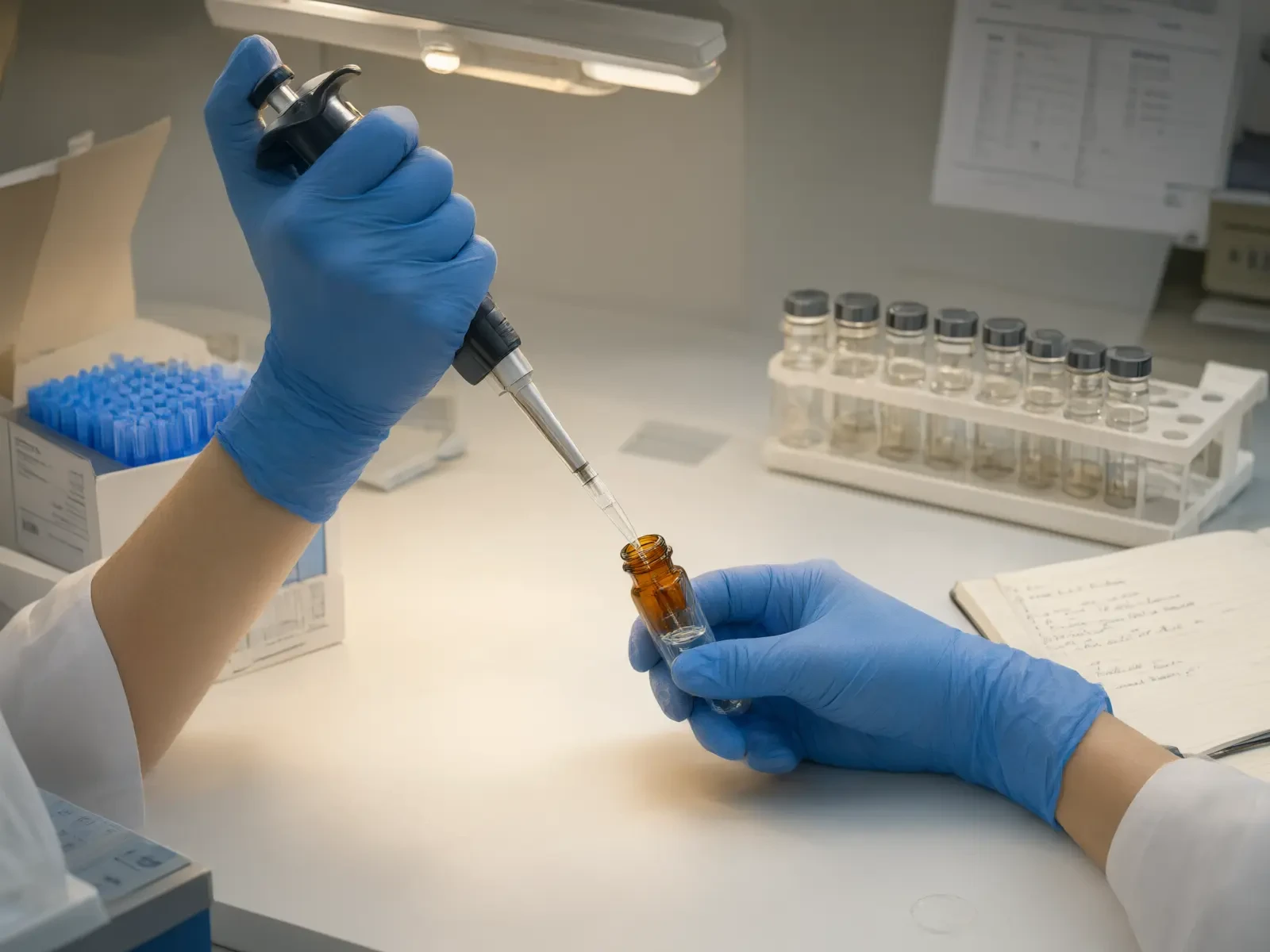
Blood samples cannot be directly injected into LC-MS/MS systems; they must undergo pretreatment to remove proteins, phospholipids, and other matrix interferences. Common pretreatment methods include protein precipitation (PPE), liquid-liquid extraction (LLE), and solid-phase extraction (SPE). Each method offers different trade-offs in terms of recovery, purification efficiency, and operational complexity.
Protein precipitation (PPE) is the simplest sample preparation method: add an organic solvent (e.g., acetonitrile or methanol), centrifuge, and inject the supernatant. It is suitable for low-throughput samples with minimal matrix interference. However, PPE has limited cleanup capability and insufficient phospholipid removal, which can lead to ion source contamination over time and increase maintenance frequency. Liquid-liquid extraction (LLE) separates analytes based on their partition coefficients between two phases. While it removes phospholipids more effectively than PPE, it involves more steps, requires larger volumes of organic solvents, and demands higher operator expertise. Solid-phase extraction (SPE) uses sorbents to selectively retain target analytes. It offers the best cleanup efficiency and recovery rates among the three methods, making it ideal for enriching low-concentration drugs. However, SPE has higher consumable costs and often requires different sorbent types tailored to specific analytes.
Sample preparation methods are closely linked to instrument performance. High-purity purification strategies reduce ion source fouling and matrix effects, enabling the instrument to maintain stable sensitivity over extended periods. For TDM laboratories processing more than 50 samples daily, automation is a critical selection criterion—solutions featuring online SPE or automated liquid workstations can cut manual operation time by over 60% while improving batch-to-batch consistency.
Throughput and Automation: Real-World Needs in Clinical Laboratories
TDM labs operate on a different rhythm than routine testing labs. Clinical departments typically collect blood samples in the morning, requiring results within hours to adjust same-day medication regimens. This means the entire workflow—from sample receipt to report issuance—must be completed within an appropriate time window.
Chromatographic separation efficiency directly impacts single-run analysis time. Using core-shell columns or an ultra-high-performance liquid chromatography (UHPLC) platform can reduce the analysis cycle per sample from 10-15 minutes in traditional HPLC to 3-5 minutes. Coupled with 96-well plate preprocessing and autosamplers, a single LC-MS/MS system can process 200-300 samples within one workday. For laboratories facing continuously growing sample volumes, continuous operational stability is also critical—pump seal integrity, autosampler carryover rates, and ion source maintenance intervals all affect actual throughput.
Data management and report generation are integral to throughput. TDM results must be interpreted in conjunction with patient medication records and liver/kidney function markers. Whether the instrument workstation supports LIS (Laboratory Information System) integration and can automatically generate reports that include reference ranges and dosage recommendations directly impacts pharmacists' efficiency.
Comprehensive Considerations for Equipment Selection
Selecting a mass spectrometer isn't just about comparing specs—it's a holistic decision weighing performance, operating costs, and technical support. Equipment purchase price is only part of the total cost of ownership; budget must also cover consumables (columns, SPE cartridges, isotopic internal standards), maintenance (ion source cleaning, vacuum pump oil changes, component replacements), and method development.
Domestic mass spectrometers have achieved significant progress in technical maturity in recent years. Taking Suzhou Anyipu as an example, its LC-MS product line now covers clinical testing scenarios and has accumulated extensive application experience in therapeutic drug monitoring. Selecting a vendor with localized technical support capabilities ensures faster assistance during method development, system calibration, and fault resolution, minimizing downtime impacts on clinical testing.
Before selecting, complete these three validations: 1) Perform method validation on candidate instruments using your lab's actual drug panels to assess sensitivity, linear range, and matrix effects. 2) Conduct continuous run tests simulating typical sample volumes to evaluate system stability and maintenance requirements. 3) Confirm the vendor's application support scope and response times to ensure dedicated support for future method expansion.
Conclusion
Selecting a mass spectrometer is fundamentally about balancing analytical performance with operational efficiency. Sensitivity determines whether low drug concentrations can be detected, sample preparation affects purification quality and throughput capacity, and automation levels dictate the lab's ability to handle growing sample volumes. Aligning these technical dimensions with your actual workflow ensures you choose equipment that truly fits your needs, rather than simply picking the model with the most impressive specs.