Method for Determining Chloramphenicol Residues in Milk Using Anyeep TQ9120
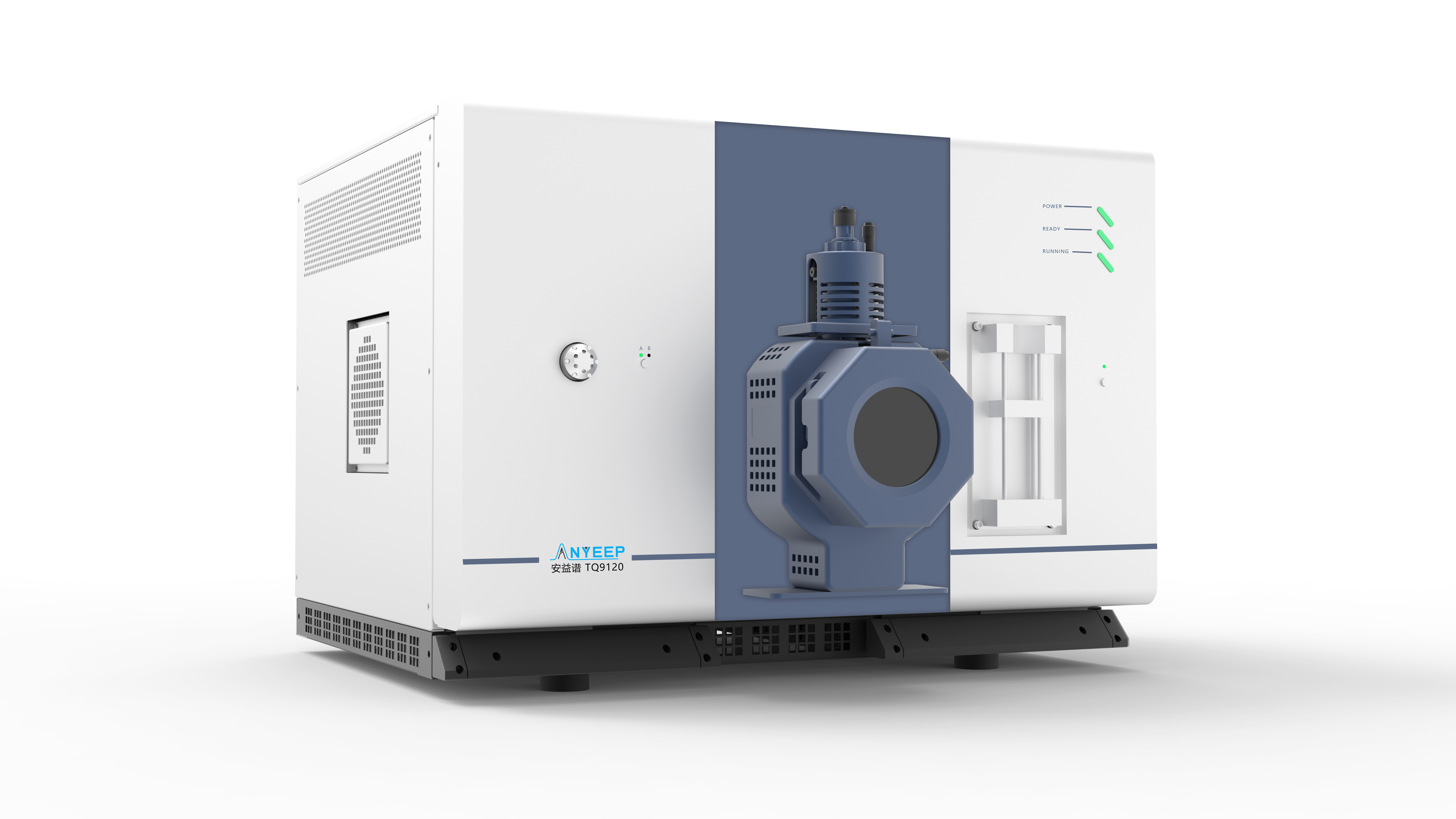
This study utilized the Anyeep TQ9120 ultra-high-performance liquid chromatography-tandem mass spectrometry system from AnyiPu to establish a method for detecting chloramphenicol residues in milk. The method demonstrated excellent linearity, with detection limits and quantification limits meeting relevant standard requirements. Using this method and equipment enables the detection and quantification of chloramphenicol in milk.
Chloramphenicol is a broad-spectrum antibiotic produced by *Streptomyces venezuelae* that inhibits bacterial growth. However, it poses significant toxicity risks to humans, including bone marrow suppression leading to allergic reactions and aplastic anemia. Long-term consumption of animal products containing chloramphenicol residues may disrupt gut flora and inhibit antibody formation.
This document follows the "GB29688-2013 National Food Safety StandardsChlorine in milkrequirements for the determination of macrolide residues by liquid chromatography-tandem mass spectrometry, developedChlorine in milkLiquid chromatography-tandem mass spectrometry method for determination of macrolide residues.This method exhibits high sensitivity, good linearity, and precision.Recovery RateAll methodological parameters meet the standard's requirements.
Instruments and Reagents
Anyeep TQ9120 Ultra-High Performance Liquid Chromatography-Tandem Mass SpectrometrySystem
Acetonitrile, Methanol(MS-grade, from Thermo Fisher Scientific, USA)
Formic acid (mass spectrometry grade, CNW Technologies, Germany)
Ethyl acetate, n-hexane (HPLC grade, CNW Technologies GmbH, Germany)
Sodium Chloride (Analytical Grade, Anpel, Shanghai)
Chloramphenicol Standard and Internal Standard (Shanghai ANPEL)
C18 Solid-Phase Extraction Cartridge (SBEQ-CA0853, ANPEL, Shanghai)
Liquid Chromatography Conditions
Mobile PhaseA: Water
Mobile Phase B: Acetonitrile
Chromatography column: CNW Athena UHPLC C18, 2.1 mm × 100 mm, 1.8μm
Column Temperature:40 ℃
Flow rate: 0.3 mL/min
Injection volume:10 μL
Mass Spectrometry Conditions
Ionization Source: Electrospray Ionization Source (ESI)-)
Source Temperature: 550 ℃
Spray Voltage: -4500 V
air curtain: 35 psi
Mist gas: 50 psi
Auxiliary Gas: 70 psi
Crash: 8
Scan Mode:MRM
Sample Processing
Sample Processing:Weigh 10.0 g of the sample to a precision of 0.05 g into a 50 mL centrifuge tube and add 250 μL of chloramphenicol internal standard working solution at 20 ng/mL.μAdd 20 mL ethyl acetate to L, shake for 15 min, and centrifuge at 6000 rpm for 10 min. Transfer the ethyl acetate layer to a pear-shaped flask. Extract the residue again with 20 mL of ethyl acetate, then combine both extracts. 45℃Rotary evaporate the water bath to dryness. Dissolve the residue with 4% sodium chloride solution (5 mL), add 5 mL of n-hexane, shake for 1 min, and allow to stand until layers separate. Discard the n-hexane layer, then add another 5 mL of n-hexane to repeat the extraction. Collect the lower aqueous layer for use.
Condition the C18 solid-phase extraction cartridge sequentially with 5 mL methanol and 5 mL water. Pass the sample through the cartridge at a flow rate of one drop every 3-4 seconds. Rinse with 5 mL of water, dry under vacuum, and elute with 5 mL of methanol. Collect the eluate in 50.℃Dry under nitrogen, reconstitute with 50% acetonitrile (1.0 mL), and pass through 0.22.μm filter, ready for injection.
Standard Curve:Dilute the chloramphenicol standard and internal standard with 50% acetonitrile solution to prepare a series of standard solutions with an internal standard concentration of 10 µg/mL and chloramphenicol concentrations of 0.02, 0.05, 0.10, 0.25, 0.50, 1.0, 2.0, and 5.0 ng/mL.
Recovery Rate Sample:Add a certain amount of chloramphenicol standard to the sample according to "Sample ProcessingPerform the operation to configure the final content as 0.01, 0.02, 0.05, and 0.10.μg/kgChloramphenicol recovery samples. Prepare 6 replicates at each concentration level.
Summary
This article establishes Anyeep TQ9120 Ultra-High Performance Liquid Chromatography-Tandem Mass Spectrometry SystemMethod for analyzing chloramphenicol residues in milkAs the results show,The method exhibits excellent sensitivity, stability, and a wide linear range.All relevant metrics meet the required standards.Suitable forChloramphenicol Residue in MilkofRoutine analysis and testing.