Determination of Thiofuroxan and Carbofuran in Cereals and Grains Using the ANEYU TQ8100 Triple Quadrupole GC-MS/MS System
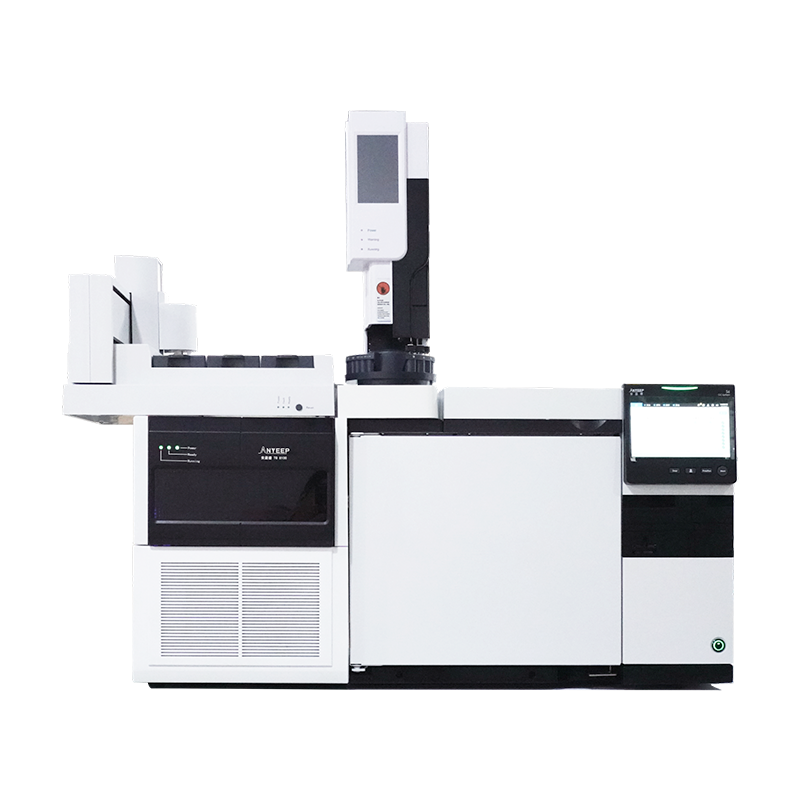
Rodenticide application is a necessary measure for pest control. In recent years, rodenticide testing has gained increasing attention. Detection methods include spectrophotometry, gas chromatography (GC), and GC-mass spectrometry (GC-MS). Spectrophotometry, an early technique, is rarely used for trace analysis today. Gas chromatography suffers from high background interference and cannot confirm target compounds definitively. Currently, coupling GC with MS has become the trend in rodenticide detection. This study establishes qualitative and quantitative methods for detecting phosphamidon and antu in rice, providing a reliable basis for identifying sudden food safety incidents involving rodenticides in food.
Instrument Method
Column: CD-5MS 30m × 0.25mm × 0.25μm;
Injection mode: Auto, 1 μL, pulse-splitless, pulse time 0.75min, purge time 1 min.
Purge flow 60ml/min;
Temperature ramp: Hold at 60°C for 2 min, then increase at a rate of 20°C/min to 250°C and hold for 2 min;
Inlet Temperature: 280°C; Transfer Line Temperature: 280°C; Ion Source Temperature: 280°C
Solvent delay: 6 min;
Multiplier voltage: 1500V
Concentration5、10、20、40、60、80、100 μg/LRat poison and concentration30、50、100、150、250、500、700 μg/LCalibration curve (external standard method: peak area vs. concentration; scan mode)MRM)
Concentration5、10、20、40、60、80、100 μg/LRat poison and concentration30、50、100、150、250、500、700 μg/LAnTuo, Scan ModeMRM), linear correlation coefficientr²All greater than or equal to0.995shows a good linear relationship.
Prepare Concentration20 μg/LRat poison and concentration50 μg/LProceed6 Second repeatability test, retention timeRSDand contentRSDAll requirements met.