Mass Spectrometer Selection: The Real Weight of Sensitivity, Resolution, and Mass Range
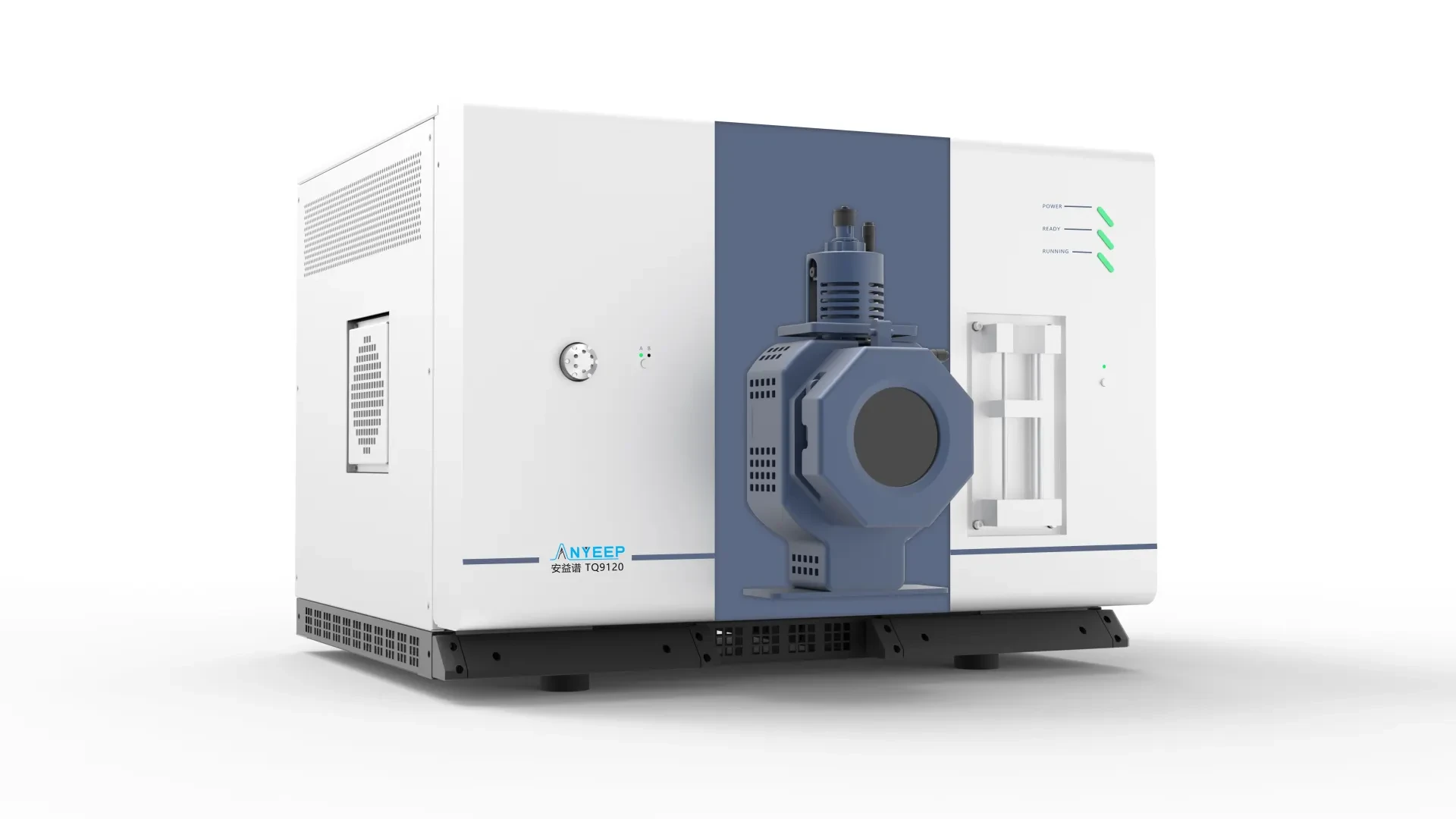
When selecting a mass spectrometer, sensitivity, resolution, and mass range often appear on specification checklists. However, ranking these parameters in isolation from actual analytical tasks frequently yields conclusions that diverge from real-world laboratory performance. This article clarifies the true weighting and interdependencies of these three parameters and explains how to translate them into verifiable methods to confirm capability.
When purchasing a mass spectrometer, parameter tables are frequently compared. Sensitivity, resolution, and mass range appear on almost every selection checklist and are often ranked in isolation. However, when these parameters are evaluated without considering the specific analytical task, the resulting rankings often fail to reflect the instrument's actual performance in the lab.
Sensitivity: Refer to the test conditions corresponding to the limit of detection first.
Sensitivity is typically measured by signal-to-noise ratio or limit of detection (LOD); a lower value indicates the ability to detect lower concentrations. A common error in comparing instruments is directly juxtaposing LODs from different manufacturers or testing conditions without accounting for matrix effects, sample preparation, and injection methods. The response of an instrument using pure standards can differ by an order of magnitude compared to its response in complex matrices like food extracts or blood samples. When selecting equipment, always ask under what specific conditions the parameters were measured rather than focusing solely on the numerical values.
Resolution: Practicality beats perfection
Resolution determines whether adjacent m/z peaks can be resolved. While high-resolution mass spectrometry is valuable for unknown screening and identification, increasing resolution further does not directly improve reliability in targeted quantitative analysis where the analyte is already known. It may instead reduce sensitivity and increase maintenance costs. The decision should be based on the mass difference between the target and interfering compounds: calculate the required resolution first, then verify if system parameters meet that requirement.
Quality range: Cover the analytes.
The mass range indicates the m/z interval an instrument can detect. A wider upper limit is often mistaken for greater sophistication, but this overlooks the actual analytes. Small-molecule pesticide residues, drug metabolites, and certain large molecules have vastly different requirements. Extending the upper limit far beyond what's needed typically compromises performance elsewhere in that range. When selecting equipment, focus on which interval your target analytes fall into—not just how high the maximum limit is.
Interdependent constraints among the three parameters
Sensitivity, resolution, and mass range are not independent; they constrain each other in instrument design. Optimizing one often comes at the expense of others. The true criterion is whether all three align with the detection task, regulatory methods, and sample throughput. GC-MS, LC-MS, portable MS, and FT-MS instruments serve different applications, so the relative importance of these parameters varies by use case. At Suzhou Anyipu, we typically recommend that customers first define their target analytes and matrix types, then verify how each parameter maps to specific test conditions during our R&D process.
Translate the parameter to "confirm capability"
The spec sheet indicates an instrument's capabilities but does not guarantee successful method validation in your lab. When selecting equipment, answer three questions: What analytes are you measuring? What matrices will you encounter? Which regulatory compliance method must be met? Then verify sensitivity, resolution, and mass range against these requirements to ensure the specs deliver real-world results. Specifications are the starting point for decision-making, not the end.