Determination of 11 perfluoroalkyl compounds in food using the Anyeep TQ9120 UHPLC-MS/MS system
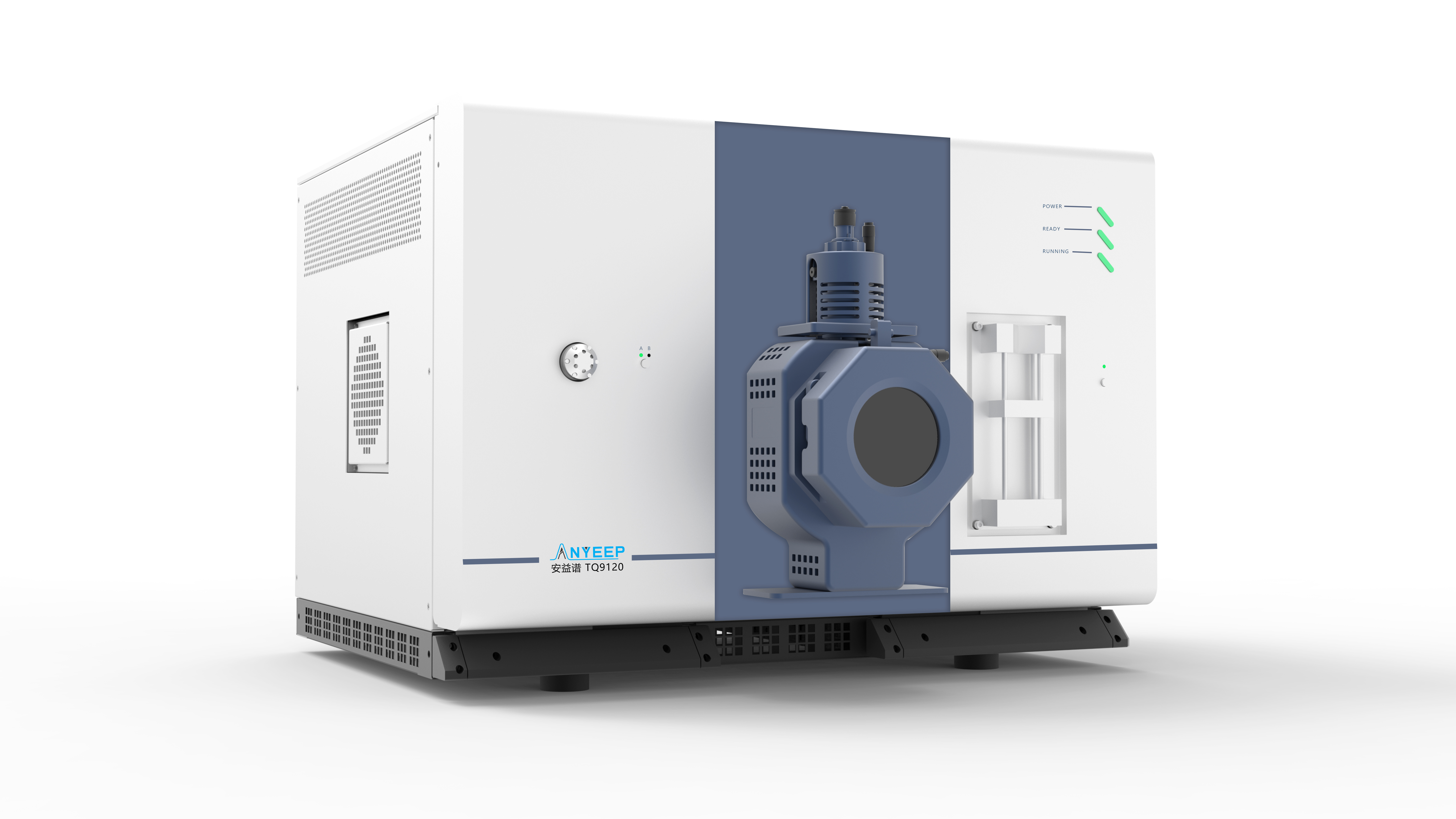
This study utilized the Anyeep TQ9120 ultra-high-performance liquid chromatography-tandem mass spectrometry system from Anyeypu to establish a method for the simultaneous detection of 11 perfluorinated compounds in food. The method demonstrated excellent linearity, with limits of detection and quantification meeting relevant regulatory standards. Using this method and equipment enables reliable detection and quantification of perfluorinated compounds.
Per- and polyfluoroalkyl substances (PFAS), often referred to as "forever chemicals," are synthetic organic pollutants characterized by exceptionally stable carbon-fluorine bonds that resist natural degradation. They can bioaccumulate through the food chain, posing risks to human health and the environment. Despite their widespread use across various industries due to superior properties, food remains the primary exposure pathway for humans, making PFAS contamination a major public health concern.
The sources of PFCs contamination in food are complex. Common sample types include animal-derived foods (meat, eggs, aquatic products), plant-derived foods (grains, fruits, vegetables), processed foods, and drinking water, with aquatic products posing a higher contamination risk. To ensure standardized control, China has established relevant standards such as GB 5009.253-2016 and GB 31604.35-2016, which specify detection methods for typical PFCs in animal-derived foods and food contact materials, respectively, providing technical support for risk prevention and control. This method is based onGB 5009.253-2016Quantified using the internal standard method.
Instruments and Reagents
Anyeep TQ120 Ultra-High Performance Liquid Chromatography-Tandem Mass SpectrometrySystem
Acetonitrile(MS grade, ANPEL Shanghai)
Methanol(Mass spec only,)Shanghai ANPEL)
Hydrochloric acid (Analytical Reagent,Shanghai ANPEL)
Ammonium acetate (HPLC grade,Shanghai ANPEL)
Sodium Chloride (Analytical Grade,Shanghai ANPEL)
Liquid Chromatography Conditions
Mobile PhaseA: 5 mM ammonium acetate–water
Mobile Phase B: Methanol
Chromatography column: Waters ACQUITY UPLC BEH C18 1.7μm, 2.1*100 mm
Column Temperature:40 ℃
Flow rate: 0.3 mL/min
Injection volume:10 μL
Mass Spectrometry Conditions
Ionization Source: Electrospray Ionization Source (ESI)-)
Source Temperature: 550 ℃
Spray Voltage: 4500 V
air curtain: 40 psi
Mist gas: 60 psi
Auxiliary Gas: 60 psi
Crash: 10
Scan Mode:MRM
Sample Processing
Sample ProcessingWeigh approximately 5 g of the sample (accurate to ±0.01 g) and add 20.μMix the internal standard intermediate solution with 5 mL of water, vortex for 1 min, then add 10 mL acetonitrile and 30.μAdd L-hydrochloride, shake for 10 min. Add 2 g sodium chloride and shake again for 10 min. Centrifuge at 5000 r/min for 10 min. Transfer the upper acetonitrile layer to another tube. Evaporate under a nitrogen stream in a water bath at 45 °C until approximately 4 mL remains, then proceed to purification.
Transfer the above solution to a centrifuge tube containing 100 mg PSA, 40 mg C18, and 20 mg GCB. Vortex for 10 min, then centrifuge at 5000 r/min for 10 min. Transfer the supernatant to another tube, evaporate to dryness under a nitrogen stream in a water bath at 45 °C, reconstitute with 1 mL methanol, and proceed through 0.22.μFilter using a 0.22 µm organic membrane and analyze the filtrate.
Standard Curve PreparationAccurately pipette the appropriate amount of mixed standard working solution and mixed internal standard working solution, then dilute with volumetric solution to0.05 μg/L,0.1 μg/L,0.2 μg/L,0.5 μg/L, 1 μg/L, 2 μg/L, 5 μg/L, 10 μg/L, 20 μg/L, 50 μg/L、100μg/L series standard solutions for determination by liquid chromatography-tandem mass spectrometry (LC-MS/MS).
Summary
This study developed an ultra-high-performance liquid chromatography-tandem mass spectrometry (UHPLC-MS/MS) method using the Anyeep TQ9120 system for the analysis of 11 perfluorinated compounds. The results demonstrate that this method offers excellent sensitivity, stability, and linearity, making it suitable for routine analysis of perfluorinated compounds.